
AI Glasses Are the New Gadget. Workplace Rules Are the Real Story.
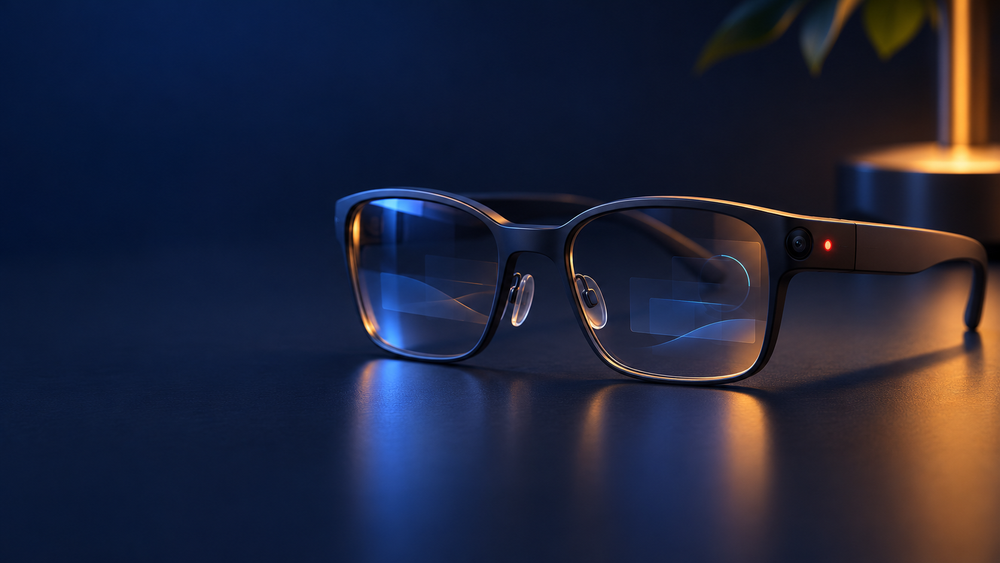
Smart glasses are becoming an AI interface, not just an accessory. On 12 November, Google opened pre-orders for intelligent eyewear with Gemini; Google says it will be available from 10 December in the United States and South Korea.
The product is consumer-facing, but it points to a workplace question that technology leaders should answer before a pilot: where may a camera-and-microphone AI assistant operate, and what information may it handle?
Before testing wearable AI in a business process, agree three boundaries:
- Context: where the device is allowed, and where it must be switched off.
- Data: what can be captured, where it goes, who can access it, and how long it is retained.
- Accountability: who explains the rules, handles consent concerns, reviews use, and responds to an incident.
Google describes product safeguards including an indicator light for photos and video, controls for camera and microphone access by app, and limits on how camera visuals used with Gemini are handled. Those controls matter. They still do not decide whether recording is appropriate in a customer meeting, a factory, or a room with confidential material.
A useful readiness test is simple: walk through one ordinary workday and identify the moments when the glasses might see a screen, document, customer, or colleague. Can the organisation explain what happens to that information and who owns the decision? If not, define the boundary before the demo.
The opportunity is hands-free assistance. The leadership task is to make its use predictable for employees, customers, and everyone else in view.
Google’s product announcement · Google’s privacy design notes